Executive Summary / Opening Intelligence
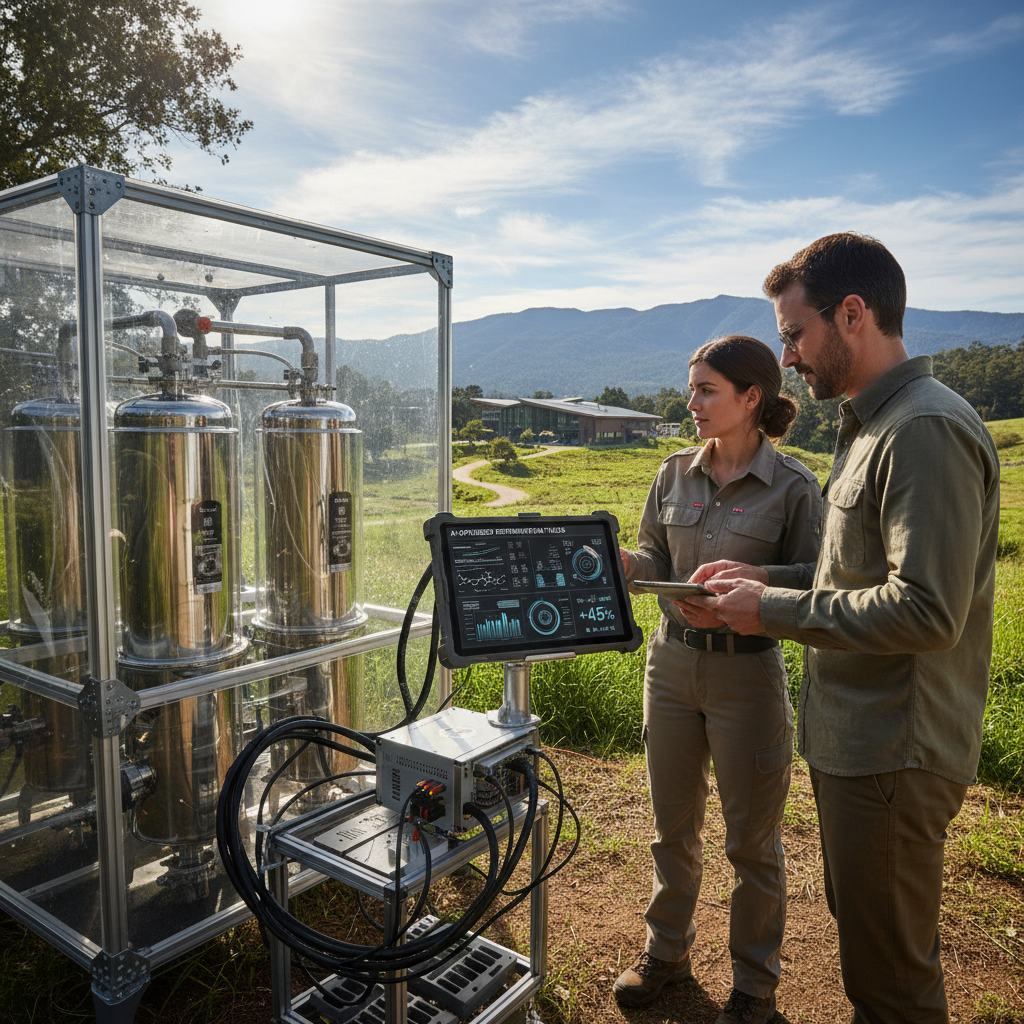
The Event: A pivotal shift is underway in the biomanufacturing landscape, as advanced Artificial Intelligence (AI) and Machine Learning (ML) techniques are increasingly being applied to interpret and leverage vast, previously underutilized datasets, often termed 'dark data,' within precision fermentation (PF) processes. This integration is moving PF from an empirical, art-like discipline to a data-driven engineering science, fundamentally changing how novel molecules are brought to market.
Why Now: The confluence of several critical factors makes this moment uniquely significant. Firstly, the alternative protein market faces immense pressure for scalable, cost-effective production, with projections indicating a substantial growth trajectory. Traditional, slow "Design of Experiments" (DoE) methodologies are proving insufficient to meet this demand. Secondly, AI/ML models have achieved a level of sophistication capable of handling the multi-modal complexity of biological data. This convergence offers an unprecedented opportunity for early-stage companies to dramatically accelerate R&D cycles, reduce operating costs, and gain a substantial competitive edge against more entrenched but slower-moving incumbents. This strategic pivot is happening today, not tomorrow.
The Stakes: The financial implications are enormous. The alternative protein market alone is projected to reach over $17.9 billion by 2032. Startups that master AI-driven bioprocess optimization can command higher valuations, attract significant venture capital, and achieve market dominance faster. Conversely, those failing to adopt these technologies risk being outmaneuvered, facing protracted development timelines, excessive cash burn, and ultimately, failure to scale. The difference between success and obsolescence for a biotechnology startup in this domain could be measured in hundreds of millions, if not billions, of dollars in market capitalization and investment.
Key Players: The ecosystem is vibrant and complex, involving several distinct types of players. Leading the charge among PF product innovators are companies like Perfect Day and The EVERY Company, which are already bringing animal-free proteins to market, and Impossible Foods, which leverages PF for key ingredients. Enabling this revolution are AI/Bio platforms such as Ginkgo Bioworks, a leader in organism engineering and high-throughput screening, and Culture Biosciences, which provides cloud-based bioreactor capacity generating invaluable standardized data. Even traditional giants like DSM and Cargill are watching closely, recognizing the disruptive potential of these agile newcomers. On the investment front, venture capital firms specializing in deep tech and food tech are actively seeking startups with robust data strategies.
Bottom Line: For decision-makers, ignore 'dark data' at your peril. The future of precision fermentation, particularly for startups eyeing significant growth and market share, hinges on the intelligent application of AI to transform raw biological and process data into actionable insights, enabling rapid, cost-effective scaling and innovation. This isn't just about better science; it's about superior business strategy and a redefinition of competitive advantage in biotech.
Multi-Dimensional Strategic Analysis
Historical Context & Inflection Point
The quest to harness microorganisms for human benefit is ancient, dating back millennia to fermentation processes for food preservation, alcoholic beverages, and bread making. Modern industrial fermentation, however, truly began to take shape in the early 20th century, notably spurred by penicillin production during World War II. For decades, bioprocess optimization was largely an empirical science, relying heavily on trial-and-error, educated guesses, and incremental improvements based on extensive, often manual, "Design of Experiments" (DoE) cycles. This methodology, while effective for established processes, is inherently slow, resource-intensive, and prone to local optima, meaning improvements were often limited to minor tweaks rather than fundamental breakthroughs.
A key timeline highlights this evolution:
- Early 1900s - Mid-20th Century: Industrial-scale fermentation for chemicals (e.g., acetone, butanol) and pharmaceuticals (e.g., penicillin). Emphasis on strain isolation and basic media optimization.
- 1970s - 1980s: Emergence of genetic engineering. Recombinant DNA technology allows for targeted modification of microorganisms. Promise of tailored biological factories.
- 1990s - Early 2000s: Genomics era. Full genome sequencing of microbes provides unprecedented insight into biological machinery. High-throughput screening begins to automate some experimental work.
- 2000s - 2010s: Systems biology and 'omics technologies (transcriptomics, proteomics, metabolomics) provide a more holistic view. Data generation explodes, but analysis remains a bottleneck due to complexity and lack of integrated tools.
- Mid-2010s - Present: AI/ML models mature, computational power becomes more accessible, and specialized biotech data platforms emerge. This period marks the critical inflection point.
Throughout much of this history, predictions regarding the rapid, cost-effective scaling of biomanufactured products often fell short. The sheer complexity of biological systems, the unpredictability of metabolic pathways under different conditions, and the challenge of translating bench-scale results to industrial volumes ('the valley of death') consistently thwarted ambitious timelines. Lessons learned from these "failed predictions" emphasized that merely engineering a superior microbe was insufficient; understanding and optimizing the process itself, often over thousands of liters, was equally, if not more, critical.
Why this moment matters is the powerful confluence of three forces: mature AI capabilities, a surge in high-quality (though often disparate) biological data, and urgent market pull, particularly from the alternative protein sector. Previous eras lacked either the analytical tools, the data volume, or the immediate commercial imperative. Now, AI can seamlessly integrate sensor data, 'omics profiles, and even unstructured lab notes, building predictive models that radically transform how bioprocess development occurs. This isn't merely an incremental improvement; it's a paradigm shift towards truly data-driven biomanufacturing, offering a crucial lifeline and a substantial competitive advantage to innovative startups. For a startup, this means leapfrogging decades of traditional R&D bottlenecks through intelligent application of technology and a refined strategy.
Deep Technical & Business Landscape
The landscape of precision fermentation, invigorated by AI, is complex, involving highly specialized technical advancements and intricate business strategies. Understanding both is paramount for any stakeholder.
Technical Deep-Dive At its core, precision fermentation involves genetically engineered microbes acting as 'cell factories' to produce specific compounds. The technical challenge lies in optimizing these living factories under industrial conditions. This is where AI excels.
- Model Architectures: AI models applied in this domain typically leverage a combination of supervised, unsupervised, and reinforcement learning. Convolutional Neural Networks (CNNs) are employed for analysis of microscopic images of cell morphology, identifying stress or growth patterns. Recurrent Neural Networks (RNNs) and Long Short-Term Memory (LSTM) networks are ideal for processing time-series sensor data from bioreactors, predicting upcoming deviations in pH, dissolved oxygen, or temperature. Graph Neural Networks (GNNs) are emerging for analyzing complex metabolic pathways, identifying optimal genetic modifications. Hybrid models, combining mechanistic biological models with data-driven AI, are particularly powerful, offering both predictive accuracy and a degree of biological interpretability.
- Benchmarks: Traditional benchmarks for bioprocess optimization focused on metrics like volumetric productivity (grams of product per liter per hour), yield (grams of product per gram of substrate), and titer (grams of product per liter). AI-driven approaches are now setting new benchmarks, not only in optimizing these core metrics but also in reducing the time to achieve them and minimizing experimental expenditure. For instance, AI can predict the optimal medium composition, temperature profile, and inoculation density within a fraction of the time a human scientist would take, often identifying non-obvious correlations that lead to 10-30% improvements in yield or purity, directly impacting cost of goods sold (COGS).
- Capability Leaps: The primary leap is the ability to integrate heterogeneous data sources. Previously, 'omics data would be analyzed in isolation from process data. AI creates a unified understanding. It can correlate subtle changes in gene expression (transcriptomics) with a spike in dissolved oxygen uptake (sensor data) and a subsequent decline in protein production (analytical chemistry), thus identifying critical bottlenecks or optimal conditions that would be invisible to human observation.
- Limitations: Despite these advances, limitations exist. AI models are data-hungry; robust predictions require extensive, high-quality datasets. The 'black box' problem, where AI offers a solution without a clear biological explanation, can also hinder adoption by scientists. Furthermore, scaling from laboratory (e.g., 2L bioreactors) to pilot (e.g., 200L) to industrial (e.g., 20,000L) scale introduces complex fluid dynamics and mass transfer challenges that current AI models sometimes struggle to predict without additional training data specifically from larger scales. This scalability gap represents a significant hurdle that requires continued innovation in process modeling and data collection.
Business Strategy The strategic landscape is being redrawn by AI’s influence, creating opportunities for new players and challenging incumbents.
Player Breakdown:
- PF Product Startups (e.g., Perfect Day, The EVERY Company, Impossible Foods): Their strategy revolves around leveraging AI to accelerate their product pipeline. Perfect Day, producing animal-free whey, benefits from AI in refining fermentation protocols to reduce manufacturing costs, crucial for competing with conventional dairy. The EVERY Company, focused on egg proteins, uses AI to fine-tune protein structure and functionality, ensuring their products meet specific performance criteria. Impossible Foods utilized AI to identify the optimal yeast strain and fermentation conditions for producing soy leghemoglobin, their signature "heme" molecule, at scale. Their intellectual property isn't just the engineered microbe, but the process data and the AI models that unlock its efficient production, forming a critical strategic asset.
- AI/Bio Platforms (e.g., Ginkgo Bioworks, Culture Biosciences, Recursion Pharma analog): These companies provide the tools and services that enable PF startups. Ginkgo Bioworks has built a massive "foundry" that combines synthetic biology, automation, and AI. Their strategy is to offer "organism engineering as a service," using AI to design, build, test, and learn across thousands of strains simultaneously. This significantly de-risks and accelerates early-stage strain development for their partners. Culture Biosciences, on the other hand, specializes in generating high-quality, standardized bioreactor data. By offering cloud-controlled bioreactors, they allow startups to outsource fermentation experiments, generating datasets purpose-built for AI training, solving the data quality issue for many. Their model is essentially "data generation as a service," a critical enabler for AI adoption. The success of companies like Recursion Pharmaceuticals in drug discovery, using AI to map biological pathways, provides a strong parallel for the food tech sector, demonstrating the power of computational biology at scale.
- Incumbents (e.g., DSM, Cargill, Evonik): These industrial fermentation giants possess substantial infrastructure, existing supply chains, and deep domain expertise. However, their legacy systems and organizational structures can make rapid R&D iteration challenging. Their strategy often involves a mix of internal AI adoption, strategic partnerships with or acquisitions of agile startups, and investments in AI/Bio platforms. Their scale offers potential for rapid deployment once an optimized PF process is proven, but their innovation cycles are typically slower than a dedicated startup.
Product Positioning & Pricing: For PF product startups, AI helps refine production costs, enabling competitive pricing. For example, reducing the cost of producing alternative whey protein via fermentation means it can be priced closer to traditional dairy, accelerating market acceptance. AI also supports quality control, ensuring consistent purity and functionality, allowing for premium product positioning. For platform companies, pricing models are typically subscription-based for services or success-based royalties on optimized processes or IP development.
Partnerships & Competitive Advantages: Strategic partnerships are critical. Startups developing AI-driven bioprocess optimization software might partner with a large ingredient manufacturer for commercial validation and scalability. Product-focused PF startups might partner with AI/Bio foundries for accelerated strain engineering or with cloud bioreactor providers for data generation. The core competitive advantage for many emerging players is no longer just a proprietary strain or molecule, but the data intelligence layer they build around it. Their ability to rapidly iterate, learn, and optimize through AI creates a defensible moat that is difficult for competitors to replicate without similar computational infrastructure and data expertise. Early-mover advantage here is significant, as proprietary datasets and trained models become increasingly valuable assets.
Economic & Investment Intelligence
The economic implications of AI's integration into precision fermentation are profound, reshaping investment decisions, market valuations, and the very structure of the biotech and food technology sectors.
- Funding Rounds, Valuations, Lead Investors: Investments in precision fermentation and enabling AI platforms have surged. Companies like Perfect Day have raised over $750 million across multiple rounds, with investors like Temasek, Horizons Ventures, and Canada Pension Plan Investment Board recognizing the long-term value proposition. Their valuation reflects not just their novel product, but their demonstrated ability to scale production. Ginkgo Bioworks, a clear AI/Bio platform leader, went public via a SPAC in 2021, valuing the company at over $15 billion, driven by its expansive "foundry" approach and strong customer base. This valuation underscores investor confidence in platforms that combine biology, automation, and AI. Lead investors in this space typically include deep tech VCs, impact funds focused on sustainability, and corporate venture arms from major food and chemical companies, all looking for ventures that demonstrate clear pathways to cost-effective scalability. Funding rounds are increasingly scrutinizing a startup's data strategy and bioinformatics capabilities, making a strong AI component a de-facto requirement for significant capital raises.
- VC Strategy & Public Market Implications: Venture capitalists are shifting their investment theses. The emphasis is no longer solely on the novelty of a biological discovery but equally on the engineering and data infrastructure that supports its commercialization. VCs are specifically looking for startups that treat biology as an information science, not just a wet-lab endeavor. This means teams with strong computational biology, data science, and even automation engineering expertise are highly favored. The public markets are also reacting, as evidenced by Ginkgo's SPAC deal. Companies that can demonstrate a robust, repeatable, AI-driven process optimization loop are seen as lower risk and higher growth potential. This is starting to impact how traditional biotech and even food companies are valued, with a premium placed on those embracing digital transformation. The ability to predict and control manufacturing costs through AI becomes a crucial metric for public market investors.
- M&A Activity & Industry Disruption: M&A activity is expected to accelerate. Large food and ingredient corporations, seeing the disruptive potential, are likely to acquire successful PF startups that have proven their technology at scale using AI. Similarly, AI/Bio platforms might be targets for larger tech companies looking to enter the synthetic biology space, or for traditional biotech players seeking to upgrade their R&D capabilities. This consolidation will lead to significant industry disruption. Traditional fermentation companies that fail to adopt advanced AI might find their cost structures uncompetitive, leading to market share erosion. The industry is moving towards a model where access to superior data analytics and predictive bioprocess models is as important as owning proprietary strains or bioreactor capacity. This presents a unique opportunity for startups that can quickly develop and validate these AI assets, positioning themselves for attractive exits or sustained independent growth.
Geopolitical & Regulatory Deep-Dive
The rise of precision fermentation, particularly when supercharged by AI, is not merely an economic or technological phenomenon; it carries significant geopolitical and regulatory implications that will shape its global adoption and competitiveness.
US Policy, EU Regulations, China Strategy:
- United States: The US generally adopts a pro-innovation stance, often leading in the development and commercialization of new biotechnologies. The regulatory framework, primarily managed by the FDA for food and feed products, is evolving to address novel ingredients produced by PF. The FDA's GRAS (Generally Recognized As Safe) notification process is the main pathway for introducing new PF-derived proteins. While the process is science-based, there's growing pressure for clear, streamlined guidelines for genetically engineered organisms and their products. Policy efforts tend to focus on funding basic research through agencies like NSF and USDA, and encouraging private sector investment through favorable IP laws and investment incentives. The Biden administration has also signaled support for biomanufacturing as a strategic national priority to enhance supply chain resilience and economic competitiveness.
- European Union: The EU generally has a more cautious and stringent regulatory approach, particularly concerning genetically modified organisms (GMOs). While PF products themselves may not always be classified as GMOs (especially if the final product is highly purified and contains no GM cells), the organism used to produce them often is. Novel Food Regulations apply, requiring extensive safety assessments. This slower, more rigorous approval process can create market entry barriers for startups and extend time-to-market compared to the US. However, once approved, EU certification often carries significant weight globally. The EU is also keenly focused on food security and sustainability, which could eventually create a more permissive environment for sustainable bio-products, provided safety concerns are thoroughly addressed.
- China: China recognizes the strategic importance of biotechnology and is rapidly investing in R&D and scaling infrastructure. Its approach often combines state-led industrial policy with substantial private investment. While internal regulatory processes can sometimes be less transparent or slower for foreign products, domestic companies are aggressively pursuing PF applications, particularly in animal-free proteins and high-value biochemicals. China's sheer scale of manufacturing capacity, once processes are optimized, could quickly lead to cost leadership, posing a competitive challenge to Western producers. Their strategy is often aimed at achieving self-sufficiency and establishing global leadership in emerging technologies.
US-China Competition & Strategic Implications: Precision fermentation, especially with AI, is becoming a new arena for US-China technological competition. Both nations view biomanufacturing as critical for economic security, supply chain resilience, and addressing climate change.
- Resilience and Supply Chains: The ability to domestically produce ingredients (e.g., proteins currently reliant on traditional agriculture or complex global supply chains) is a strategic advantage. AI-optimized PF can reduce reliance on volatile agricultural markets and geopolitically sensitive regions.
- Technology Leadership: Dominance in AI-driven biomanufacturing confers significant soft power and economic influence. The nation that masters rapid, cost-effective scaling of PF products will likely set global standards and capture a disproportionate share of the burgeoning market. This extends beyond food to pharmaceuticals, materials, and energy.
- Dual-Use Concerns: While current applications are primarily commercial, the technology's potential dual-use nature (e.g., synthesizing rare chemicals or even bioweapons components) will attract intelligence community oversight and necessitate international dialogues on responsible innovation.
- Data Sovereignty: As AI models are trained on vast datasets, questions of data ownership, access, and potential weaponization of biological data become critical, especially for international collaborations.
Regulatory Timeline: Regulatory bodies are playing catch-up with the rapid scientific advancements.
- Near-term (0-2 years): Expect continued refinement of existing pathways (e.g., FDA GRAS, EU Novel Foods) for specific PF products. Increased scrutiny on labeling and consumer acceptance, including discussions around "GM-free" claims.
- Mid-term (2-5 years): Harmonization efforts between major economic blocs will likely intensify, but significant differences will persist. The emergence of regulatory sandboxes or expedited review processes for demonstrably sustainable and safe biomanufactured products is possible. Discussions around XAI (Explainable AI) in regulatory submissions, requiring developers to provide insights into how AI models arrived at their recommendations, might become standard.
- Long-term (5+ years): A more mature, dedicated regulatory framework for 'bio-manufactured products' may emerge, distinct from traditional food or pharmaceutical regulations, recognizing the unique aspects of this technology. International protocols for data sharing and AI model validation in biomanufacturing could also materialize to foster trust and facilitate global trade. Startups will need to embed regulatory strategy early in their development to navigate this evolving landscape.
Future Forecasting & Strategic Implications
The integration of AI into precision fermentation is not a fleeting trend but a foundational shift with cascading effects across industries, economies, and societies. Its transformative power will redefine innovation, market dynamics, and global competitiveness over various time horizons.
Near-Term Horizon (6-12 months): Immediate Catalysts
The next 6-12 months will be critical for signaling the pace and direction of AI-driven precision fermentation. Decision-makers should closely monitor several immediate catalysts and strategic plays shaping this rapidly evolving space.
Events to Watch:
- Major product launches with disclosed AI optimization: Look for announcements from leading precision fermentation (PF) companies (e.g., Perfect Day, The EVERY Company, Impossible Foods) where they explicitly attribute significant cost reductions, yield increases, or accelerated development timelines to AI and data analytics. Transparency here will validate the technology's commercial impact.
- High-profile funding rounds / IPOs: Continued strong investment, particularly in AI-centric bio-platforms (like Ginkgo Bioworks' future growth or similar ventures), will affirm investor confidence. An IPO of a prominent AI-driven PF startup would be a major milestone, setting valuation benchmarks and attracting broader market attention.
- Strategic partnerships between incumbents and AI/Bio platforms: Watch for traditional food, chemical, or ingredient giants (e.g., Cargill, DSM, Givaudan) forming explicit partnerships with AI-driven synthetic biology companies or cloud bioreactor providers. These collaborations signal mainstream adoption and bridge the gap between innovation and established industrial scale.
- Benchmarking reports for alternative proteins: Independent analyses comparing the cost-effectiveness and scalability of AI-optimized PF products against traditional animal agriculture or plant-based alternatives will provide crucial performance metrics. These reports will influence retail pricing and consumer adoption.
Early Signals:
- Reduced cash burn rates in PF startups: Startups effectively leveraging AI for process optimization should show a noticeable decrease in the cash required per unit of product development or per experiment, indicated in investor updates or public filings. This is a direct measure of AI's efficiency gains.
- Faster "idea-to-product" cycles: Evidence of PF companies bringing novel molecules or improved versions of existing ones to market in significantly shorter timeframes (e.g., 12-18 months instead of 24-36 months) will underscore AI's acceleration capabilities.
- Increased hiring for computational biologists/data scientists: A surge in job postings for these hybrid roles within PF companies and ingredient manufacturers indicates a strategic shift towards building in-house AI capabilities.
- Growing utilization rates of cloud bioreactor facilities: As more startups adopt data-driven R&D, services like Culture Biosciences will see increased demand, reflecting a broader embrace of systematic data generation for AI training.
First-Mover Advantages, Strategic Plays:
- Proprietary data moats: Startups that are aggressively collecting and curating high-quality, standardized 'dark data' from their fermentation processes are building an invaluable, defensible asset. This data, coupled with trained AI models, creates a learning loop that is extremely difficult for later entrants to replicate.
- Platform integration: Companies offering end-to-end solutions, from strain engineering (AI-designed genomes) to bioprocess optimization (AI-controlled bioreactors), will capture significant market share.
- Targeted niche market entry: Early AI adopters can identify and cost-effectively produce high-value, niche ingredients (e.g., specific enzymes, complex lipids, rare growth factors) that were previously uneconomical to produce, establishing market strongholds before larger competitors can respond.
- Developing mentorship ecosystems: Startups fostering environments where data scientists and biologists collaboratively mentor each other will build stronger, more effective interdisciplinary teams. This internal human capital strategy will be a key differentiator in a talent-scarce market.
Mid-Term Horizon (2-3 years): Industry Restructuring
Over the next 2-3 years, the impact of AI in precision fermentation will transition from early advantages to significant industry restructuring, displacing legacy approaches and forging new giants.
Displaced Industries, New Giants:
- Displaced Industries: Traditional chemical synthesis for certain high-value compounds will face intense pressure from more sustainable and potentially cheaper bio-based routes. Niche animal agriculture sectors providing specific proteins or enzymes may see significant disruption as PF alternatives achieve price parity and superior functionality. Legacy industrial fermentation companies that fail to integrate advanced AI will find their optimization cycles too slow and costly to compete, potentially leading to consolidation or decline.
- New Giants: The companies that successfully leverage AI to scale precision fermentation will emerge as new giants in alternative proteins, sustainable materials, and even pharmaceuticals. These 'bio-industrial' leaders will possess not only cutting-edge biotechnology but also powerful data infrastructure and AI capabilities. Their valuations will reflect this dual competence, making them attractive targets for strategic partnerships or acquisitions by global conglomerates. AI-driven bio-foundries will establish themselves as indispensable R&D partners across multiple sectors, analogous to the role cloud computing platforms play in software development.
Value Chain Shifts, Workforce Transformation:
- Value Chain Shifts: The value chain will shift from raw material sourcing and complex chemical processing to biological design, fermentation infrastructure, and downstream processing. Upstream, AI will optimize feedstock selection and microbe engineering, reducing variability. Midstream, AI will enable previously unachievable levels of process control and optimization within bioreactors. Downstream, AI could potentially guide purification steps to maximize yield and purity. New service layers will emerge, including "data-as-a-service" providers for bioprocess data and "AI model-as-a-service" offerings for predictive biomanufacturing.
- Workforce Transformation: The demand for hybrid talent will soar. Traditional microbiologists and chemical engineers will need to acquire data science skills, or partner closely with AI specialists. New roles like "Bioprocess Data Scientist," "AI-Optimized Fermentation Engineer," and "Synthetic Biology Product Manager" will become standard. AI will augment human decision-making, automating routine tasks and allowing experts to focus on higher-level problem-solving and innovation. This transformation will require substantial investment in upskilling and cross-disciplinary mentoring programs to bridge the talent chasm. Educational institutions will need to adapt curricula to produce graduates fluent in both biology and advanced computation.
Competitive Positioning, Revenue Inflection:
- Competitive Positioning: The primary competitive differentiator will evolve from proprietary organisms to superior data-driven process knowledge and AI models. Companies with extensive, high-quality historical fermentation data, coupled with robust AI platforms, will have a massive advantage in accelerating new product development and reducing costs. This will create a tiered market: innovators with strong AI capabilities will command premium pricing for their optimized products or processes, while those relying on traditional methods will be relegated to commodity status.
- Revenue Inflection: Revenues for AI-enabled PF companies will reach an inflection point as they achieve economies of scale and cost parity with conventional products. This means that alternative proteins, bio-materials, and bio-chemicals will no longer be niche or premium offerings but mainstream, competitively priced alternatives, unlocking exponential market growth. Licensing AI-optimized processes or proprietary data models will become a significant revenue stream for platforms. The ability of AI to reduce the capital expenditure (CapEx) and operational expenditure (OpEx) for scaling fermentation will directly translate into higher profit margins and faster revenue growth, making these businesses exceptionally attractive to investors.
Long-Term Vision (5 years): Civilizational Impact
Looking 5 years ahead, the disruptive force of AI in precision fermentation will have catalyzed a profound civilizational impact, fundamentally altering economic structures, geopolitical dynamics, and even human capabilities.
Societal Transformation, Economic Structure:
- Decoupling from Traditional Agriculture: The most significant societal transformation will be a partial decoupling of food, material, and pharmaceutical production from traditional land- and water-intensive agriculture and fossil fuel-based industries. Precision fermentation, optimized by AI, will allow for the localized, efficient production of a vast array of compounds, reducing environmental footprints, increasing food security, and improving resilience against climate change impacts. This diversification of production methods will lessen the economic vulnerability of nations reliant on specific agricultural imports or resource extraction.
- Bio-Circular Economy: The vision of a truly bio-circular economy, where waste streams are valorized as inputs for microbial factories and outputs are biodegradable, will become increasingly viable. AI will be crucial in optimizing these complex, multi-stage bioprocesses to achieve maximum resource efficiency and minimize external inputs.
- Economic Hubs: New economic hubs will emerge around biomanufacturing clusters equipped with advanced AI infrastructure and talent pools, revitalizing industrial areas and creating high-skill jobs. The economic structure will shift towards a more knowledge-intensive, technologically sophisticated manufacturing sector, with significant ramifications for global trade and development strategies. The cost-efficiency gained through AI will make these products accessible to broader populations, impacting dietary habits, healthcare, and everyday consumption.
Geopolitical Order, Human Capability:
- Geopolitical Order: Nations that invest strategically in AI-driven biomanufacturing will gain significant geopolitical leverage. They will enhance their food sovereignty, reduce reliance on external supply chains for critical materials, and position themselves as leaders in sustainable innovation. This could lead to a rebalancing of global power dynamics, as scientific and technological prowess in bio-production becomes a key measure of national strength, akin to advancements in space or IT. The ability to produce essential proteins or pharmaceuticals domestically will be a matter of national security.
- Ethical Frameworks: The increasing capability of AI to design novel biological systems and optimize their production will necessitate robust international ethical frameworks and governance mechanisms to ensure responsible innovation. This includes considerations around biosecurity, equitable access to these technologies, and the careful management of potential environmental impacts.
- Enhanced Human Capability: Beyond industrial applications, the deep understanding of biological systems afforded by AI in fermentation will contribute to advancements in human health, longevity, and even cognitive function. The tailored production of complex molecules like personalized therapeutics, advanced nutraceuticals, or even designer biomaterials could redefine human limitations. The tools and methodologies developed for optimizing fermentation will cross over into other biological engineering fields, accelerating progress across the board. The ability of AI to rapidly prototype and test biological designs will give humanity unprecedented control over the building blocks of life, pushing the boundaries of what is biologically possible and influencing the trajectory of human evolution itself. Mentorship programs focusing on responsible AI development in bioengineering will be crucial for navigating these uncharted waters.
Executive Conclusion & Strategic Takeaways
Bottom Line Assessment: The integration of AI with 'dark data' in precision fermentation is not just an incremental technological improvement but a strategic imperative that is fundamentally reshaping the biotech and food tech industries. Our assessment indicates a high confidence level that companies, particularly startups, that master this convergence will achieve significant competitive advantages in cost, speed, and innovation, securing market leadership in the coming years. Those that fail to adopt these advanced capabilities risk obsolescence.
Key Insights Summary:
- Data is the New Bioreactor: Proprietary, high-quality 'dark data' combined with sophisticated AI models constitutes a core strategic asset, as critical as the engineered microorganism itself.
- Speed is Dominance: AI dramatically accelerates the R&D cycle from years to months, allowing startups to outpace incumbents and reach commercial scale faster, thereby capturing market share and reducing cash burn.
- Talent Transformation is Paramount: Success hinges on building cross-functional teams fluent in both advanced biology and data science, necessitating proactive upskilling, re-skilling, and dedicated mentoring programs.
- Strategic Partnerships are Essential: Collaborations between AI/Bio platforms, product-focused startups, and even traditional industry players are key to de-risking technology, accelerating scale-up, and navigating complex regulatory landscapes.
- The Moat is Now Digital: The new competitive moat is no longer just a patented strain, but the AI-driven data intelligence engine that consistently optimizes production, lowers costs, and drives continuous innovation.
- Investment Focus Shifts: VCs and strategic investors are prioritizing startups with demonstrable AI/data strategies, treating biology increasingly as an information science.
- Regulation is a Moving Target: The evolving geopolitical and regulatory environment requires proactive engagement and a long-term strategy for navigating diverse global policies on genetically modified organisms and novel foods.
The Big Question: In an era where AI can design novel organisms and processes with unprecedented speed and efficiency, how will industries and societies balance the imperative for rapid innovation and economic growth with the critical need for ethical oversight, equitable access, and robust biosecurity frameworks? The answer will dictate whether this technological revolution serves all of humanity or exacerbates existing disparities.