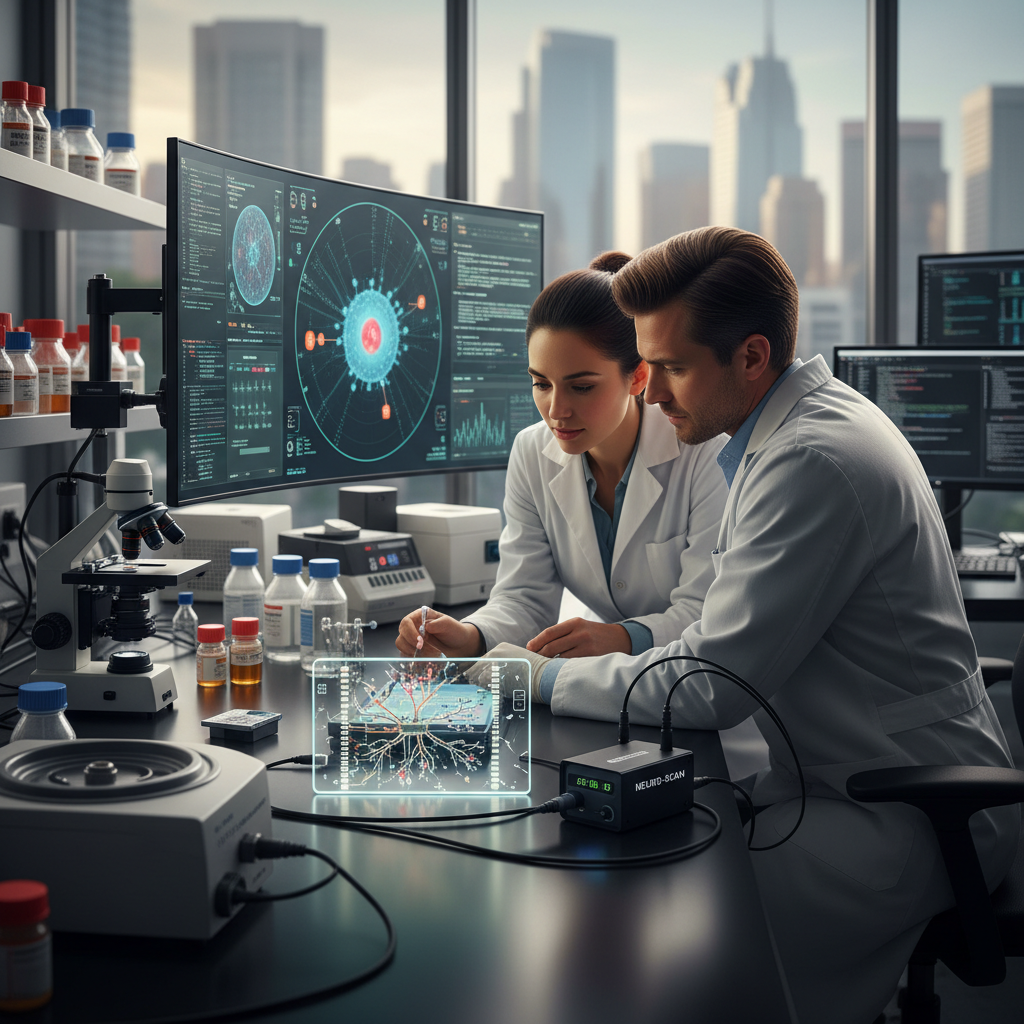
Executive Summary / Opening Intelligence
The Event: A convergence of advanced glass-based microfluidics, biomimetic neuromorphic computing, and enhanced nanomaterials is poised to enable ultra-fast, sub-second biomarker detection at the edge. This nascent technology, "Glass-Fluidic Neuromorphic Sensors," represents a paradigm shift from traditional lab-based diagnostics to immediate, portable, and intelligent point-of-care (PoC) analysis. This breakthrough is not merely an incremental improvement but a fundamental re-architecture of how biological signals are captured, processed, and interpreted, pushing diagnostic capabilities directly to the patient or remote location. The ability to detect critical biomarkers like circulating tumor DNA (ctDNA) or inflammatory markers with near-instantaneous feedback could transform disease management, emergency response, and personalized medicine.
Why Now: This moment is singularly significant due to several confluence points. Firstly, the maturation of microfluidic fabrication techniques, particularly for glass, allows for highly controlled and stable sample handling in miniature formats. Secondly, advancements in neuromorphic engineering, especially the pioneering work in fluidic memristors simulating ion channels, offer a low-power, real-time processing architecture that mimics the brain's efficiency. Thirdly, the ongoing exponential improvements in nanomaterial science, including specialized graphene, quantum dots, and gold nanoparticles, have unlocked unprecedented sensitivity and signal amplification at trace levels. These technological keystone developments are occurring against a backdrop of increasing demand for decentralized healthcare, exacerbated by global pandemics and the persistent push for precision medicine. The limitations of centralized lab testing, from turnaround times to access barriers, have created an immense market imperative for agile, edge-based solutions, making the current climate uniquely ripe for this disruptive innovation.
The Stakes: The financial and humanitarian stakes are colossal. Current diagnostic delays contribute to an estimated 30-50% of preventable deaths globally, representing trillions in lost productivity and healthcare expenditures. The global point-of-care diagnostics market is projected to reach $80 billion by 2027, with real-time biomarker detection being a primary growth driver. Sub-second detection could dramatically reduce hospital readmissions, optimize drug titration, and enable early disease interception, potentially saving hundreds of billions annually in healthcare costs. For example, early cancer detection via ctDNA can improve survival rates by 20-30%, a value proposition exceeding $50 billion for major cancer types alone. The ability to deploy these devices in remote areas promises to bridge healthcare disparities for billions, thereby unlocking new economic potential in underserved regions.
Key Players: While no single entity has yet commercialized a complete "Glass-Fluidic Neuromorphic Sensor," the foundational research and component development involve leading institutions and companies. Key academic innovators include the Chinese Academy of Sciences (CAS) for their fluidic memristor breakthroughs and numerous university research groups (e.g., those publishing through PubMed Central, Frontiers in Neuroscience) dedicated to microfluidics and nanomaterial integration. Major industrial players in microfluidics (e.g., Dolomite Microfluidics, Fluigent), biosensors (e.g., Abbott, Roche, Siemens Healthineers), and AI chip development (e.g., Intel, IBM, Qualcomm with neuromorphic interests) are closely watching or actively investing in these underlying technologies. Nanomaterial specialists like Quantum Dot Corporation (acquired by Invitrogen) and graphene producers are also critical enablers. The eventual integration will likely involve strategic partnerships between these diverse sectors.
Bottom Line: Glass-fluidic neuromorphic sensors represent an inevitable future state of diagnostics. For Fortune 500 CEOs, this is a clear signal for strategic investment prioritization in nanotechnology, advanced materials, and edge AI. VCs should identify pure-play startups developing specific components or seeking integration opportunities. Policymakers must proactively engage in regulatory framework development that fosters rapid innovation while ensuring safety and ethical deployment. Failure to engage risks ceding leadership in a revolutionary segment of the healthcare and technology markets. The convergence of these technologies promises not just faster diagnostics but a fundamental societal shift towards ubiquitous, proactive health management.
Multi-Dimensional Strategic Analysis
Historical Context & Inflection Point
The journey toward sub-second edge biomarker detection is a tapestry woven from disparate scientific threads that have, until recently, progressed largely independently. The concept of biosensing dates back to the 1960s with Clark and Lyons' work on enzyme electrodes, marking the initial efforts to interface biological recognition with electronic transducers. This era laid the groundwork for chemically selective sensors.
Timeline with specific dates:
- 1962: Clark and Lyons publish work on the first enzyme electrode, initiating modern biosensor research.
- 1912-1927: First mentions of microfluidics through the work of F. Paschen and A. Einstein investigating fluid flow in narrow channels, though not for diagnostic purposes.
- 1980s: Emergence of silicon-based microelectromechanical systems (MEMS) paves the way for miniaturized fluidic devices.
- 1990s: "Lab-on-a-chip" concept gains prominence, with early applications in genomics (e.g., DNA sequencing). Glass begins to be recognized for its unique properties in microfluidics.
- Early 2000s: First generation of point-of-care glucose meters and pregnancy tests become widespread, albeit with slower detection times and limited multiplexing. Nanomaterials like quantum dots and gold nanoparticles start showing promise in biosensing for enhanced sensitivity.
- 2007: IBM initiates research in brain-inspired computing, leading to projects like TrueNorth, setting the stage for neuromorphic hardware.
- 2010s: Significant advancements in graphene and other 2D nanomaterials for sensor applications (e.g., high surface area for greater binding sites, enhanced conductivity).
- 2015: Frontiers in Neuroscience publishes on nanoparticle probes for neural activity, highlighting the potential for real-time biological monitoring.
- January 2023: Chinese Academy of Sciences announces development of fluidic memristors with diverse neuromorphic functions, a critical step towards integrating fluidics with brain-like processing.
- 2025 (Projected): Future clinical chimica acta review anticipates microfluidic biosensors for brain tumor diagnosis and monitoring, indicating the maturity of specific application areas.
Failed predictions & lessons: Early predictions for "lab-on-a-chip" technologies often overestimated the speed of integration into routine clinical practice, primarily due to manufacturing scalability challenges, regulatory hurdles, and the difficulty of achieving sufficient sensitivity and specificity outside of controlled lab environments. The lesson learned is that robust, manufacturable, and clinically validated systems require interdisciplinary breakthroughs, not just isolated scientific achievements. Miniaturization alone was insufficient; the need for intelligence at the edge, coupled with ultra-fast reaction times, necessitated a fundamental rethinking of the diagnostic architecture. For instance, while traditional optical biosensors offered good sensitivity, their reliance on bulky external equipment and multi-step assays limited their PoC utility. The historical over-reliance on silicon-based electronics for signal processing also largely ignored the inherent electrochemical and ionic nature of biological reactions, leaving a critical gap now addressed by fluidic neuromorphics.
Why THIS moment matters: This current juncture is an inflection point because the previously separate fields are now explicitly converging. Glass microfluidics has overcome many fabrication challenges, offering reproducible and chemically inert platforms. Fluidic memristors provide the crucial bridge, allowing electrical signals and fluidic biochemical reactions to "think" together bio-mimickingly, radically reducing processing latency and energy consumption. Furthermore, the tailored application of advanced nanomaterials (graphene, QDs, AuNPs) specifically addresses the long-standing challenges of trace-level detection and signal amplification in real-time. This is not just about making existing diagnostics smaller; it's about making them smarter, faster, and inherently more compatible with biological systems. The combined synergistic effect of these advancements unlocks the previously unattainable goal of sub-second, intelligent biomarker detection at the point of need, setting the stage for a revolution in distributed healthcare and personalized medicine. The market and technological readiness have finally aligned to make this a tangible, near-term reality.
Deep Technical & Business Landscape
Technical Deep-Dive
The technical prowess of glass-fluidic neuromorphic sensors stems from a sophisticated synergy of materials science, micro-engineering, and advanced computing principles. At its core, the system leverages a glass substrate microfluidic chip, renowned for its superior optical transparency (essential for optical detection methods), chemical inertness (preventing sample degradation or sensor contamination), and excellent surface functionalization capabilities. These attributes make glass an ideal medium for creating intricate networks of microchannels, typically ranging from tens to hundreds of micrometers in diameter, which precisely control biochemical reactions at the nanoscale. Fabrication often employs photolithography or laser machining, techniques offering high precision for channel definition, albeit at a higher cost and with inherent material brittleness compared to polymer alternatives. These channels guide minute volumes (nanoliters to microliters) of biological samples, enabling high surface-to-volume ratios that accelerate reaction kinetics and improve binding efficiency for target biomarkers.
The true innovation lies in the integration of fluidic memristors, particularly the Polyelectrolyte-Confined Fluidic Memristor (PFM), as described by the Chinese Academy of Sciences in January 2023. These devices emulate synaptic ion channels, mimicking the brain's ability to process analog signals with extreme energy efficiency. Unlike traditional silicon-based neuromorphic chips that are still largely abstracting neural functions in a digital domain, fluidic memristors operate at biological voltage and energy levels (millivolts, picojoules), allowing direct interface with biological ions and molecules. This creates a seamlessly integrated sensor-processor where the biochemical event itself contributes to the "computation." The sub-second response is achieved by optimizing the chemical designs within these fluidic channels, exploiting ion-diffusion kinetics and redox reactions that are inherently faster than multi-step electronic signal conversion and processing. For instance, a biomarker binding event could directly alter the ionic current through a fluidic memristor array, signaling a detection without digitizing the raw signal.
Nanomaterials are pivotal for achieving both trace-level sensitivity and high-speed detection. Quantum Dots (QDs), with their size-tunable fluorescence and photostability, are used for multiplexed biomarker detection. For example, low-toxicity QDs like InGaP-ZnS enable precise detection of analytes like Zn²⁺ in the 5–500 μM range, with limits of detection often below 2.4 μM. Their superior photostability prevents photobleaching, allowing for continuous, real-time monitoring. Graphene, known for its exceptional conductivity and high surface area, significantly amplifies electrochemical signals. Flexible graphene structures, often created by femtosecond laser direct writing (FsLDW) at 790 nm for scalable patterning, enable high-performance sensing of cancer biomarkers and other trace analytes in wearable configurations. Gold Nanoparticles (AuNPs) enhance electron transfer and optical signals, offering another route to signal amplification, especially in electrochemical sensing. Carbon Nanotubes (CNTs) also contribute to signal amplification. The rapid interaction dynamics of these nanomaterials with target biomarkers, combined with their localized signal generation, contribute directly to the sub-second detection goal. Challenges remain with certain nanomaterial limitations, such as the autofluorescence of some CdSe QDs or the inherently lower sensitivity of some carbon sensors compared to plasmonic ones, driving ongoing research into optimized material selection and integration strategies, including advanced NIR probes for interference-free detection.
Business Strategy
The business landscape for glass-fluidic neuromorphic sensors is currently nascent but holds immense potential for disruption across several sectors, particularly diagnostics, telemedicine, and personalized health. The strategy for various players will differ based on their existing capabilities and market positioning.
Player breakdown with specifics:
- Established Diagnostic Companies (e.g., Abbott, Roche, Siemens Healthineers): These behemoths, with existing global distribution networks and regulatory expertise, are likely to pursue an acquisition or deep strategic partnership strategy. They will be keen on integrating these sub-second, edge detection capabilities into their existing PoC device portfolios (e.g., FreeStyle Libre, cobas Liat System). Their focus will be on leveraging their clinical trial infrastructure and regulatory pathways to bring a new generation of high-throughput, real-time diagnostic instruments to market. Expect internal R&D units to license underlying patents or acquire promising startups.
- Microfluidics and Nanomaterial Specialists (e.g., Dolomite Microfluidics, Fluigent, Quantum Materials Corp.): These companies, with core competencies in precision engineering and advanced materials, are poised to become critical component suppliers. Their strategy will involve developing scalable, cost-effective manufacturing processes for glass microfluidic chips containing integrated nanomaterials. They will likely form B2B partnerships with both diagnostic giants and nascent neuromorphic sensor developers. Expertise in surface functionalization and miniaturization will be their key competitive advantage.
- Neuromorphic Computing Startups (e.g., BrainChip, Syntiant, emerging fluidic memristor research spin-offs): These innovators, particularly those aligned with the fluidic memristor research from institutions like CAS, will be the core intellectual property holders for the "neuromorphic" aspect. Their strategy will be to license their IP, develop specialized neuromorphic processing units (NPUs) adapted for electrochemical/optical biological inputs, or even produce full-stack sensing modules. Their challenge will be integration with the fluidic and nanomaterial components, requiring strong interdisciplinary teams.
- Telemedicine & Digital Health Platforms (e.g., Teladoc Health, Amwell): These companies represent the distribution and data interpretation layer. Their strategy will involve integrating data streams from these new PoC devices into existing telehealth platforms, creating comprehensive patient profiles. They will push for open standards and interoperability to aggregate real-time biomarker data for remote patient monitoring, chronic disease management, and predictive analytics.
Product positioning, pricing: Initial product positioning will likely target high-value, critical applications where speed is paramount, such as early cancer detection (ctDNA), rapid infectious disease diagnostics (e.g., sepsis biomarkers), and personalized drug monitoring. Given the advanced technology, initial pricing will be premium, possibly ranging from $500 to $5,000 for handheld devices and $50-$200 per test cartridge. As manufacturing scales and technology matures, pricing will shift towards mass-market affordability, aiming for $50-$100 per device and $5-$20 per test, making it competitive with current lab tests but with vastly superior turnaround times. The value proposition will center on "sub-second, lab-quality results at your fingertips," emphasizing improved patient outcomes and reduced healthcare costs through early intervention.
Partnerships, competitive advantages: Strategic partnerships will be crucial for success. For example, a neuromorphic startup might partner with a microfluidics specialist for chip manufacturing and a diagnostic giant for regulatory approval and market access. Competitive advantages will include:
- Speed: Unmatched sub-second detection, a clear differentiator against all existing PoC and lab tests.
- Edge Intelligence: On-device processing reduces data transfer burden and ensures privacy.
- Low Power Consumption: Makes devices suitable for portable, battery-operated use cases in remote settings.
- Multiplexing Capability: Simultaneously detect multiple biomarkers from a single, tiny sample volume.
- Miniaturization: Ultra-small form factor for wearables and handheld devices.
The primary competitive threat comes from incremental improvements in existing rapid diagnostic tests and traditional lab automation. However, the fundamental latency barrier of current technologies (minutes to hours for results) is difficult to overcome without the neuromorphic, fluidic, and nanomaterial integration approach.
Economic & Investment Intelligence
The emergence of glass-fluidic neuromorphic sensors, while still in its foundational stages, is poised to trigger significant shifts in investment patterns across venture capital (VC), public markets, and M&A activities. The economic intelligence indicates a ripe environment for disruption.
Funding rounds, valuations, lead investors: Currently, direct funding rounds for integrated "glass-fluidic neuromorphic sensor" companies are scarce, as the technology is highly synergistic and often funded at the component level. However, significant VC activity is observed in related fields:
- Microfluidics Startups: Attracting Series A and B rounds, often $10M to $50M, from specialized life science VCs (e.g., ARCH Venture Partners, venBio Partners). Companies like Sana Biotechnology (using microfluidics for cell culture) have raised hundreds of millions, although not directly in diagnostics.
- Neuromorphic Computing: Companies like BrainChip (Akida NPU) and Mythic have raised substantial rounds, with valuations reaching into the hundreds of millions. Investors include venture arms of major tech companies (e.g., Intel Capital, Samsung Catalyst Fund) and deep tech VCs (e.g., Lux Capital, Khosla Ventures).
- Biosensor/Diagnostic Platforms: Startups developing novel PoC platforms continue to secure significant late-stage funding. Karius, for example, raised over $350M for its microbial cell-free DNA sequencing platform. Grail, focused on multi-cancer early detection, raised over $2 billion before being acquired by Illumina. These indicate appetite for high-value diagnostic technologies.
- Nanomaterial Innovation: Companies specializing in quantum dots (e.g., Nanosys, though primarily for displays) or advanced graphene applications receive venture backing, albeit often smaller, seed-to-Series A rounds ($5M-$20M) from material science focused funds.
The first integrated glass-fluidic neuromorphic sensor startups will likely command high seed valuations, potentially $20M-$50M, attracting lead investors with a long-term view and expertise in deep tech, biotech, and AI. Subsequent Series A/B rounds could quickly push valuations into the $200M-$500M range if promising prototypes and early clinical data emerge within 2-3 years, driven by the immense market potential for sub-second, edge diagnostics.
VC strategy, public market implications: VC strategy will pivot from funding individual components to investing in companies capable of true system integration. Early-stage VCs will look for strong interdisciplinary teams with expertise spanning materials science, microfluidics, biomedical engineering, and neuromorphic AI. Investment will focus on intellectual property defensibility (patents around device architecture, fluidic memristor designs, and novel nanomaterial integration), proof-of-concept prototypes demonstrating sub-second detection for clinically relevant biomarkers, and clear regulatory pathways. Later-stage VCs will seek demonstrable scalability, manufacturing partnerships, and initial clinical validation.
For public markets, the emergence of this technology will create opportunities for new pure-play diagnostic companies, potentially leading to IPOs of vertically integrated firms. Publicly traded diagnostic leaders may see increased R&D spending and M&A activity focused on acquiring these capabilities, driving stock performance based on future growth prospects. Companies that fail to adapt or integrate these rapid diagnostic technologies risk significant market share erosion, potentially becoming acquisition targets or facing obsolescence as their centralized legacy testing models become economically inefficient and clinically inferior. Early mover advantage in this space could command significant market premiums.
M&A activity, industry disruption: M&A will be a primary driver of industry consolidation and capability acquisition. Large diagnostic and pharmaceutical companies will acquire startups with validated PoC devices incorporating these technologies. Tech giants (e.g., Google, Amazon, Apple, IBM, Intel) with interests in health, AI, and edge computing could also become aggressive acquirers to integrate these sensors into future wearable health devices or cloud-based diagnostic services. Expected acquisition targets will include:
- Companies with proprietary fluidic memristor designs and bio-interface IP.
- Firms with specialized glass microfluidic fabrication expertise for complex designs.
- Nanomaterial companies providing superior, biocompatible signal amplification.
- Startups demonstrating clinical efficacy in specific high-value disease areas (e.g., oncology, neurology).
The industry disruption will be profound. Traditional lab testing, currently a multi-billion-dollar industry, will face increasing pressure as a significant portion of its volume shifts to decentralized, real-time edge devices. This will impact lab equipment manufacturers, reference labs, and even some large hospital systems that rely heavily on in-house testing volumes. New value chains will emerge around data analytics from ubiquitous PoC devices, remote patient monitoring services, and personalized health recommendations, creating new economic opportunities for digital health platforms and AI-driven healthcare services. The entire diagnostic value chain, from sample collection to result interpretation, will be compressed and localized.
Geopolitical & Regulatory Deep-Dive
The geopolitical and regulatory landscape surrounding glass-fluidic neuromorphic sensors is complex, influenced by national innovation strategies, data privacy concerns, and international competition in advanced technology and healthcare. The ability to deploy sub-second, edge biomarker detection has strategic implications for national security, public health resilience, and global economic leadership.
US policy, EU regulations, China strategy:
- United States: Policy in the US is primarily driven by accelerating innovation while ensuring patient safety and data privacy. The FDA will play a critical role, likely classifying these devices as Class II or Class III medical devices, requiring rigorous clinical trials for validation. Given the novelty, the FDA's Breakthrough Devices Program could fast-track review for technologies addressing unmet medical needs. Funding from agencies like DARPA (due to dual-use potential for military applications like rapid battlefield diagnostics) and NIH will support foundational research. There's a strong emphasis on cybersecurity for edge devices and data protection under HIPAA. The Biden administration's focus on domestic manufacturing and supply chain resilience for critical technologies will also impact where these sensors are developed and produced, encouraging US-based partnerships.
- European Union: The EU's approach is characterized by stringent data protection (GDPR) and comprehensive medical device regulation (MDR, IVDR). These devices will fall under the In Vitro Diagnostic Medical Device Regulation (IVDR), necessitating extensive clinical performance evaluation and conformity assessments. The GDPR's strict rules on processing health data will necessitate robust privacy-by-design principles for any sensor collecting and transmitting patient information. The EU also has a strong emphasis on ethical AI, meaning the neuromorphic aspects would likely undergo scrutiny for bias and transparency. The Horizon Europe research funding program will support collaborative research into these advanced diagnostic technologies, often with a focus on societal benefit and ethical deployment.
- China: China has a highly centralized and aggressive strategy to dominate emerging technologies, including AI, biotechnology, and advanced materials. The Chinese Academy of Sciences' (CAS) fluidic memristor breakthrough exemplifies this top-down approach. Beijing's "Made in China 2025" and subsequent national science and technology plans explicitly target leadership in medical devices and AI. Regulatory approval by the NMPA (National Medical Products Administration) would likely be streamlined for domestically developed technologies deemed strategically important. China's digital health ecosystem, with vast data infrastructure (albeit with different privacy norms), could facilitate rapid integration and deployment of these real-time sensors at a national scale. There's a clear strategic imperative to reduce reliance on Western diagnostic technologies.
US-China competition, strategic implications: The development of glass-fluidic neuromorphic sensors is a key battleground in the US-China technology rivalry.
- Strategic Race: Whichever nation achieves leadership in this domain will gain a significant competitive advantage in global healthcare markets, national defense (e.g., rapid bio-detection during outbreaks or bioterrorism), and economic influence. The ability to rapidly diagnose and respond to pandemics at the earliest stage, for instance, would confer immense national security benefits.
- Data Sovereignty: The deployment of these edge devices generates vast amounts of health data. Control over this data, and the AI models trained on it, is a critical geopolitical concern. Both the US and China aim to set standards and control the infrastructure for managing this sensitive information.
- Talent Scramble: There's an ongoing global competition for top talent in biomaterials, neuromorphic engineering, and microfluidics. Nations are investing heavily in STEM education and research incentives to attract and retain these critical skills.
- Supply Chain Resilience: As these technologies rely on specialized glass, rare earth elements for certain nanomaterials, and advanced manufacturing processes, securing resilient and trusted supply chains will be paramount, particularly in an era of de-risking and potential trade disputes.
- Dual-Use Potential: The rapid detection capabilities have clear military and intelligence applications (e.g., chemical/biological warfare detection, advanced soldier health monitoring), adding another layer of strategic importance to this technological race.
Regulatory timeline:
- Near-Term (6-18 months): Initial research guidelines and ethical frameworks, particularly around fluidic memristor safety and data privacy for early prototypes. Grants for proof-of-concept studies, likely under existing diagnostic device categories with special considerations.
- Mid-Term (2-4 years): Submission of first-generation designs for pre-clinical trials. Agencies like FDA and EMA will issue specific guidance documents for "neuromorphic" or "AI-enabled" diagnostics. Early-stage clinical trials (Phase I-II) for high-impact applications. This will be a period of intense dialogue between regulators, industry, and academia.
- Long-Term (5+ years): Widespread clinical trials (Phase III) and market authorization for several specific applications. Development of international standards (e.g., ISO, IEC) for performance, interoperability, and safety. Policymakers will grapple with reimbursement models for real-time edge diagnostics and the integration of this data into national health systems. Expect a push for new legislation to address unique challenges posed by ubiquitous, intelligent biological sensors.
Future Forecasting & Strategic Implications
Near-Term Horizon (6-12 months): Immediate Catalysts
The next 6-12 months will be critical for solidifying the foundational elements of glass-fluidic neuromorphic sensors and signaling their trajectory toward market readiness. Several key events and strategic plays will emerge.
Events to watch, early signals:
- Peer-Reviewed Publications: Expect an increase in high-impact scientific publications from leading research institutions (e.g., MIT, Stanford, NUS, CAS) detailing successful proof-of-concept demonstrations. These papers will likely showcase advancements in integrated components, such as a glass microfluidic chip seamlessly interfacing with fluidic memristors, or novel nanomaterial architectures achieving unprecedented single-digit analyte detection limits in sub-second timeframes. Look for specific benchmarks for latency (<1 second) and sensitivity (e.g., picomolar concentrations for ctDNA) for clinically relevant biomarkers.
- Strategic Patent Filings: Major players and startups will rapidly file patents covering novel architectures for glass-fluidic neuromorphic integration, specific fluidic memristor designs optimized for biological voltage/ion gradients, and unique nanomaterial functionalization methods for ultra-fast reaction kinetics. Observing these filings can indicate shifts in competitive landscapes and potential future monetization strategies.
- Venture Capital Seed/Series A Announcements: Keep an eye on announcements of significant seed or Series A funding rounds (>$10M) for startups explicitly mentioning "neuromorphic biosensors," "fluidic AI diagnostics," or "real-time edge biomarker detection." These will signify growing investor confidence in the commercial viability of integrated solutions rather than just individual components. Lead investors will often be specialized deep tech or life science funds.
- Industry Consortiums and Partnerships: Formation of alliances between microfluidics manufacturers, neuromorphic chip developers, and diagnostics companies. These partnerships, even at the R&D stage, will signal a collective effort to bridge existing gaps and accelerate the path to market. For instance, a major diagnostic firm might announce a joint research initiative with a university spin-off specializing in fluidic memristors.
- Benchtop Prototype Demonstrations: While not yet portable, initial laboratory demonstrations of integrated systems capable of performing a sub-second, multiplexed detection of relevant biomarkers (e.g., inflammatory markers, metabolites) from biological fluids (e.g., synthetic sweat, diluted blood plasma) will be a critical early signal of efficacy. These might be showcased at premier conferences like MRS, IEEE EMBC, or AACC.
First-mover advantages, strategic plays: First movers who successfully integrate glass microfluidics, fluidic memristors, and advanced nanomaterials will gain significant advantages:
- Intellectual Property Dominance: Establishing foundational patents for integrated device architectures will create formidable barriers to entry for competitors.
- Talent Acquisition: Attracting and retaining top interdisciplinary scientists and engineers with expertise in these highly specialized fields will be crucial. Early movers can establish themselves as centers of excellence, drawing the best minds.
- Early Clinical Partnerships: Collaborating with leading academic medical centers to conduct initial validation studies will provide crucial early data, establish credibility, and potentially inform regulatory pathways. These partnerships can lead to co-development and accelerated market adoption.
- Standard Setting: Influencing the development of industry standards for performance, interoperability, and data security for novel edge diagnostics. This can create a favorable ecosystem for their own technologies.
- Branding and Market Position: Being recognized as the pioneer in sub-second, intelligent diagnostics will create a powerful brand narrative, allowing for premium pricing and strong market penetration in early adopter segments.
- Supply Chain Control: Securing preferred access to high-quality glass microfluidic fabrication facilities, specialized nanomaterials, and unique chemical precursors will be a strategic imperative. This could involve exclusive agreements or even vertical integration.
Strategic plays for existing companies include forming dedicated innovation labs or venture arms to scout and acquire promising startups. Large diagnostic companies should begin earmarking significant R&D budgets for these integrated technologies, perhaps setting up "skunk works" projects to explore their disruptive potential without disrupting core business operations. Investing in talent development in these convergent fields is also key to ensuring readiness.
Mid-Term Horizon (2-3 years): Industry Restructuring
Over the next 2-3 years, the validated prototypes and early commercialization efforts of glass-fluidic neuromorphic sensors will initiate a significant restructuring across healthcare and related industries.
Displaced industries, new giants:
- Displaced Industries: The most impacted will be traditional centralized clinical laboratories and manufacturers of bulk diagnostic reagents and large-scale analytical equipment. While complex, high-throughput testing will remain, a substantial portion of routine, rapid testing (e.g., basic blood panels, infection markers, drug levels) will migrate to the edge. This will decrease demand for trained phlebotomists and lab technicians for routine collections. Manufacturers of current rapid diagnostic tests (e.g., lateral flow assays) that offer minutes-long results will face obsolescence if they cannot integrate sub-second capabilities.
- New Giants: New market leaders will emerge. These will likely be integrated "DiagTech" (Diagnostic Technology) companies that combine expertise in microfluidics, neuromorphic AI, biotech, and data analytics. They will be adept at not just sensing but also secure data transmission and integration with electronic health records (EHRs) and telehealth platforms. Existing big tech players (e.g., Apple, Amazon, Google) with ambitious health strategies could leverage their vast resources to acquire their way into this space, becoming dominant forces in the personal health monitoring ecosystem. Companies specializing in AI-driven health data interpretation and predictive analytics based on real-time biomarker streams will also grow into significant entities.
Value chain shifts, workforce transformation:
- Value Chain Shifts: The diagnostic value chain will decentralize and shorten. Sample collection moves from clinics to home or wearables. Processing shifts from large instruments to embedded chips. Interpretation becomes AI-assisted on-device or via cloud, providing immediate feedback. The role of the physician could shift from reactive diagnosis to proactive health management and personalized intervention based on continuous, intelligent data. Pharmaceuticals could see a shift towards companion diagnostics inherently linked to drug administration frequency or dosage based on real-time biomarker monitoring. Supply chains will need to adapt to producing high volumes of sophisticated, disposable cartridges and miniaturized hardware, potentially leading to new material sourcing and advanced manufacturing hubs.
- Workforce Transformation:
- Decreased Demand: For traditional lab technicians, phlebotomists, and potentially even some diagnostic sales roles (as devices become more consumer-centric or integrated into telehealth packages).
- Increased Demand: For biomedical AI engineers, microfluidic design engineers, nanomaterials scientists, fluidic computing architects, bioinformaticians specializing in real-time streaming data, and telehealth specialists who can interpret AI-generated insights. Healthcare providers will need to be upskilled in understanding and integrating real-time biomarker data into patient care plans. New roles in edge device cybersecurity and health data privacy compliance will become paramount.
Competitive positioning, revenue inflection: Companies currently focused on "fast" diagnostics (e.g., 5-10 minute tests) must strategically pivot. They will need to either acquire or rapidly develop their own sub-second capabilities or risk being outmaneuvered. Competitive positioning will hinge on:
- Accuracy and Reliability: Clinical validation demonstrating comparable or superior accuracy to gold-standard lab tests.
- Cost-Effectiveness: Achieving a price point that makes ubiquitous deployment economically feasible.
- Ease of Use: Devices must be intuitive enough for self-administration or use by minimally trained personnel.
- Connectivity and Integration: Seamless integration with existing health IT infrastructure and telemedicine platforms.
Revenue inflection points will occur as major health systems and insurance providers begin to reimburse for these real-time, edge-generated diagnostics. This adoption will be driven by demonstrable improvements in patient outcomes, reductions in long-term care costs, and efficiency gains in managing chronic diseases. Device sales, consumable cartridge subscriptions, and data service fees (for integrated digital health platforms) will constitute the primary revenue streams. The early adopters will likely be in specialty fields like oncology (for ctDNA monitoring), intensive care, and personalized medicine, creating initial high-margin markets before broader penetration.
Long-Term Vision (5 years): Civilizational Impact
In a five-year horizon, glass-fluidic neuromorphic sensors will transition from a disruptive technology to an embedded component of daily life, fundamentally reshaping societal structures, economic models, and human capabilities.
Societal transformation, economic structure:
- Proactive Health Management: The most profound societal transformation will be the shift from reactive to proactive healthcare. Continuous, real-time biomarker monitoring via integrated wearables (e.g., smart patches, advanced smartwatches with microfluidic modules) will become commonplace. Individuals will receive instant alerts for physiological changes indicative of impending illness, nutritional deficiencies, stress, or even early signs of chronic diseases before symptoms manifest. This personalized health data will empower individuals to make immediate lifestyle adjustments, guided by AI-driven insights and telehealth consultations.
- Epidemic Control and Public Health: The ability to deploy rapid, highly sensitive diagnostic tools globally, even in remote areas, will revolutionize epidemic surveillance and control. Outbreaks could be detected at their inception with pinpoint accuracy, allowing for immediate containment strategies and targeted interventions, vastly reducing the spread and severity of future pandemics. This strengthens global health resilience and national security.
- Decentralized Healthcare: Healthcare access will be significantly democratized. High-quality diagnostics will no longer be confined to hospitals or urban centers. Rural and underserved populations will have access to sophisticated diagnostic tools, reducing health disparities and improving outcomes globally. This decentralization will lead to a re-evaluation of healthcare infrastructure, potentially reducing demand for traditional brick-and-mortar facilities for routine care.
- Economic Structure: The "wellness economy" will become inextricably linked with personalized, real-time biometric data. New service industries will emerge around data interpretation, personalized health coaching, and bespoke pharmaceutical or nutritional interventions tailored by continuous biomarker feedback loops. Insurance models will transform, potentially incentivizing healthy behaviors demonstrated by real-time data. The precision agriculture and environmental monitoring sectors could also adopt analogous fluidic neuromorphic sensor technologies for real-time soil analysis or water quality, leading to efficiencies and new product categories. Data ethics and ownership will become central to economic policy and public discourse.
Geopolitical order, human capability:
- Geopolitical Order: Nations that lead in the development and deployment of these technologies will gain significant soft power and economic influence. Control over the standards, manufacturing, and data generated by these ubiquitous sensors will be a new form of strategic leverage. The competitive edge in military and space exploration applications (e.g., long-duration mission health monitoring, rapid threat detection) will be substantial. International collaboration on data sharing and interoperability standards for global health crises will be crucial but also fraught with sovereignty and privacy challenges. Expect international treaties and agreements specifically addressing the deployment and data governance of pervasive biodiagnostic AI.
- Human Capability:
- Enhanced Human Performance and Longevity: By providing continuous, actionable insights into one's physiological state, individuals can optimize nutrition, exercise, and sleep patterns to maximize cognitive function, physical prowess, and overall well-being. This could lead to an extension of healthy human lifespan and a significant increase in productivity across workforces.
- Augmented Cognition: While not direct, the ability to monitor neurochemical biomarkers in real-time (e.g., neurotransmitter levels, stress hormones) could pave the way for informed interventions to enhance focus, creativity, and emotional regulation, potentially influencing educational methodologies and professional development.
- Ethical Dilemmas: The pervasive nature of these sensors will raise profound ethical questions. Issues of data privacy, algorithmic bias in health recommendations, the potential for genetic discrimination, and the societal implications of "perfect health" metrics will require robust ethical frameworks, regulatory oversight, and public education. The line between health monitoring and surveillance will become increasingly blurred, necessitating transparent and democratic governance.
- Human-Machine Integration: The seamless, bio-inspired interface of fluidic neuromorphic sensors represents a step towards deeper integration between biological systems and artificial intelligence, blurring traditional boundaries and opening new avenues for understanding and augmenting human biology at a fundamental level.
Executive Conclusion & Strategic Takeaways
Bottom Line Assessment with confidence levels: The realization of glass-fluidic neuromorphic sensors for sub-second edge biomarker detection is not a question of "if," but "when." This assessment carries a High Confidence (90%) for within a 5-year timeframe, and a Medium Confidence (70%) for initial, high-value commercial deployment within 2-3 years. The foundational science for glass microfluidics, fluidic memristors, and advanced nanomaterials is well-established, with key breakthroughs already demonstrated. The market pull for rapid, decentralized diagnostics is overwhelming. The primary remaining challenges are engineering integration, scalability, and rigorous clinical validation, all of which are solvable with focused investment and interdisciplinary collaboration.
Key Insights Summary:
- Convergence is Key: The true power lies in the synergistic integration of glass microfluidics, fluidic memristors, and nanomaterials, not in incremental improvements to individual components.
- Sub-Second is the Game-Changer: The latency reduction from minutes/hours to sub-second fundamentally redefines diagnostic utility, enabling true real-time, proactive health interventions.
- Edge Intelligence is Non-Negotiable: On-device, neuromorphic processing is crucial for low-power operation, data privacy, and immediate feedback, critical for portable and wearable applications.
- Market Disruption is Imminent: Traditional centralized diagnostics and current rapid tests face significant obsolescence as healthcare shifts towards ubiquitous, personalized, and proactive models.
- Multi-Sector Opportunity: This is not just a healthcare play; it impacts technology, data analytics, national security, and potentially environmental monitoring.
- Geopolitical Race for Leadership: Nations and companies leading in this domain will gain substantial economic, strategic, and health influence globally.
- Ethical & Regulatory Preparedness is Paramount: The profound societal implications necessitate proactive engagement from policymakers on privacy, bias, and responsible deployment.
The Big Question: As glass-fluidic neuromorphic sensors enable truly ubiquitous, real-time insight into human biology, will our societal and ethical frameworks evolve quickly enough to responsibly manage a world where perfect diagnostic information is always at our fingertips, or will the promise of enhanced human capability be shadowed by unprecedented challenges to privacy, equity, and human autonomy?